Products
Research materials supplied to qualified laboratories and institutions. Every lot carries its own certificate of analysis.
For Research Use Only
Not for human consumption. Not for veterinary use. Not a drug, food, or cosmetic. Not intended to diagnose, treat, cure, or prevent any disease.
Supplied to qualified researchers and institutions only.







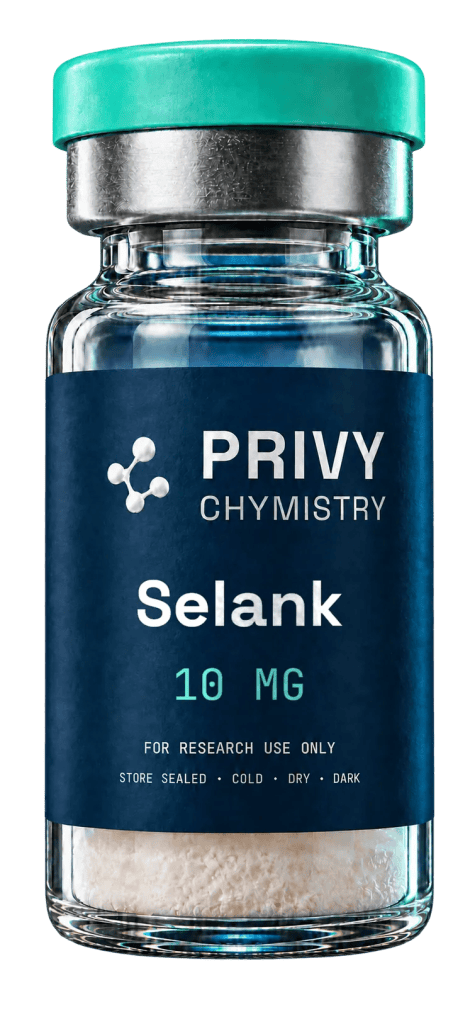
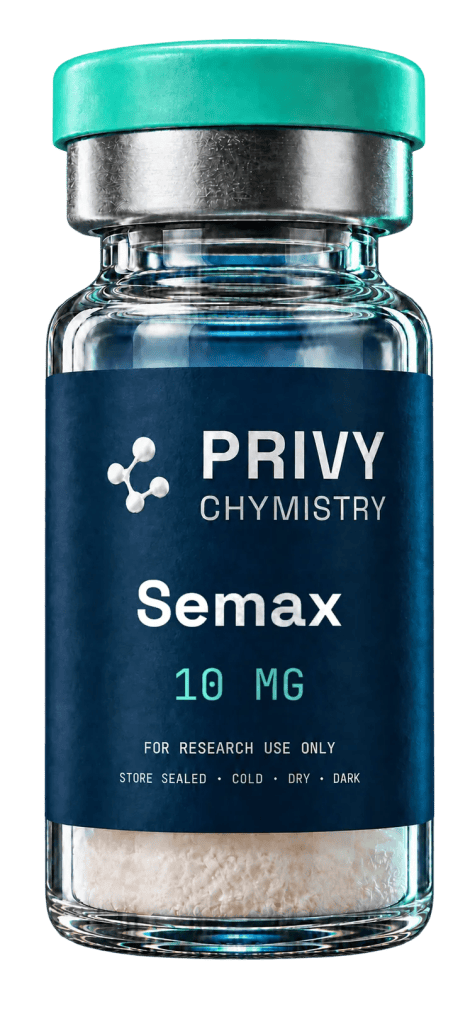


Analysis
What a certificate reports
Analysis is lot-specific, so every lot has its own certificate rather than sharing a document with earlier production.
Purity — UPLC-UV
Ultra-performance liquid chromatography with photodiode-array detection separates the target peptide from truncated and deletion sequences, residual reagents, and byproducts of synthesis. The certificate reproduces the chromatogram and reports the target peak as a percentage of total integrated peak area, averaged across three vials.
That figure belongs to the lot that was injected. It is shown with its lot number — on the certificate, and on a product page only as that lot’s result — never as a fixed number on a template, because a number on a template stops being true the moment a new lot is released.
Endotoxin — recombinant Factor C
Bacterial endotoxin is measured by recombinant Factor C fluorescence assay and reported in endotoxin units per millilitre, one figure per vial. Endotoxin is a contamination measure, not a potency measure — it says nothing about the compound itself, only about how cleanly it was handled.
rFC uses a synthesised enzyme rather than horseshoe-crab lysate. The assay runs against its own positive control, negative control and standard curve, and the certificate reports all three beside the result.
Identity — UPLC-MS
Mass spectrometry ionises the sample and compares the profile it produces against a reference standard for the same compound. The certificate reports whether every vial tested conformed. A lot that does not conform is not released for sale.
Run on a Waters Quattro series instrument, with the spectra reproduced in the body of the report rather than summarised — the trace behind the result is there to be looked at.
